



Attic Ventilation Screens and Home Energy Tips
Why Attic Ventilation Screens Are Essential | Energy Efficiency
If you're investing in roof ventilation, don’t overlook attic ventilation screens. These small but powerful additions help improve airflow while keeping pests and debris out of your home. Better airflow means better energy performance—especially in climates like New York.
At RJM Best Roofing Inc., we help homeowners install and maintain attic screens as part of a complete ventilation system. Let’s explore why these screens matter and how they affect your comfort and energy bills.
What Are Attic Ventilation Screens?
Purpose and Placement
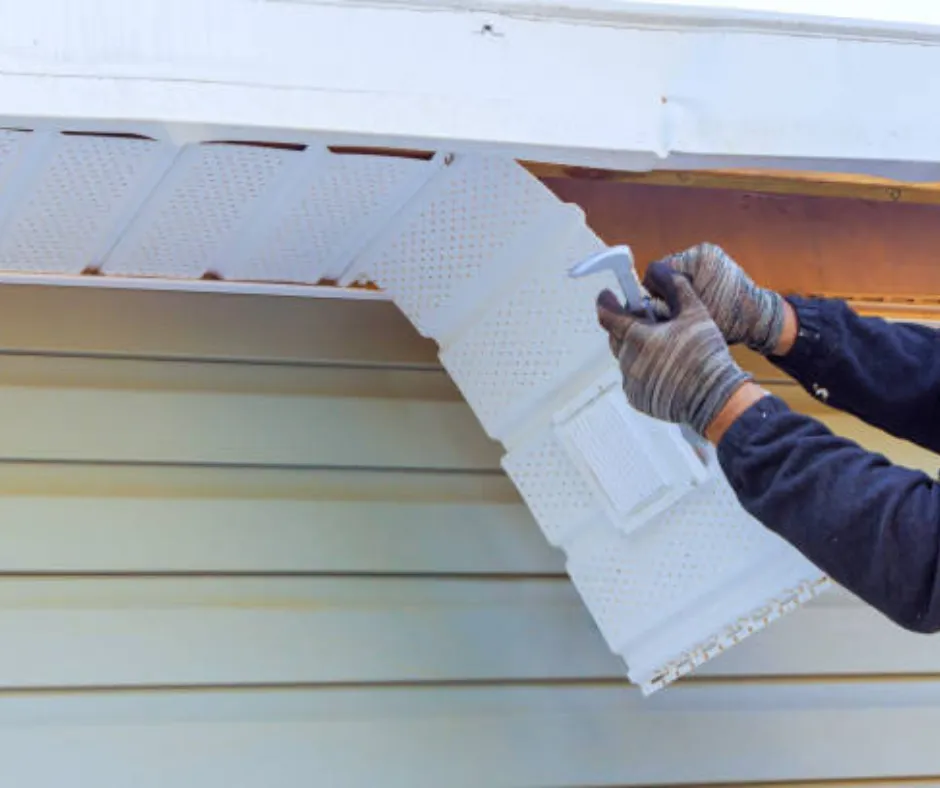
Attic ventilation screens are protective mesh barriers installed over intake or exhaust vents. Their job is to allow air to pass through while keeping out rodents, insects, and leaves that could block airflow.
Types of Screens
Aluminum Mesh: Lightweight and rust-resistant, ideal for intake vents.
Steel Screens: Strong and durable, best for areas prone to animal entry.
Plastic Mesh: Budget-friendly option, though less durable in extreme climates.
Where They Go
Screens are often installed over soffit vents, gable vents, or ridge vent openings. RJM ensures each vent has the right protection without restricting airflow.
How Roof Ventilation Affects Home Energy
Preventing Blockages
Debris and critters can clog unprotected vents, disrupting airflow and leading to hot or humid attic conditions. Screens prevent this, keeping ventilation systems running efficiently.
Maintaining Balanced Airflow
Airflow is everything. Screens help ensure that your intake and exhaust systems work as designed. Balanced ventilation supports consistent indoor temperatures and lowers energy use.
Protecting Insulation and Roof Materials
Good airflow (with screens in place) keeps your attic dry, which protects insulation from moisture and prevents heat buildup that can damage roofing materials.
Signs You May Need Attic Ventilation Screens
Insects or Rodents in the Attic
If you’ve spotted signs of animals or bugs in your attic, they may be sneaking in through unprotected vents.
Debris Around Soffit or Gable Vents
Leaves, dust, or insulation buildup around vents? That’s a clear sign your current setup lacks screens or that they’re damaged.
Poor Ventilation Performance
Even with proper vents, a lack of screens can lead to obstructions that slow airflow—causing heat or humidity to build up.
FAQs – Attic Ventilation Screens
Do attic ventilation screens block airflow?
No, not when properly installed. High-quality mesh allows air to pass while keeping out pests and debris.
Can I install attic screens on my own?
While some homeowners try DIY solutions, professional installation ensures proper fit and no airflow restriction.
How often should attic screens be inspected?
We recommend checking them annually, especially after storms, nesting seasons, or roofing upgrades.
Protect Your Ventilation System with RJM
Attic ventilation screens might be small, but they make a big impact. From energy savings to pest prevention, they’re a smart addition to any roofing system. At RJM Best Roofing Inc., we provide expert installation and maintenance services for homes across New York.
Book your attic screen installation today. Call us at (914) 565-9391
