



Flat Roofs in Port Chester: Snow Load, Freeze–Thaw & Drainage Best Practices
Flat Roof Snow Load in Port Chester should never be an afterthought during the long and stormy winter months. Snow piles up, melts, and then refreezes, placing stress on your roof structure. At the same time, poor drainage, clogged roof drains, and poor membrane care can quietly damage your building.
Therefore, it is important to ask how well your flat roof handles melting snow and rain. Proper drainage design, including roof drains and tapered insulation, helps prevent winter ponding and protects the roof deck. When you stay proactive, you avoid leaks, structural issues, and sudden repair bills that disrupt daily life or business.
Importance of Understanding Flat Roof Snow Load in Port Chester
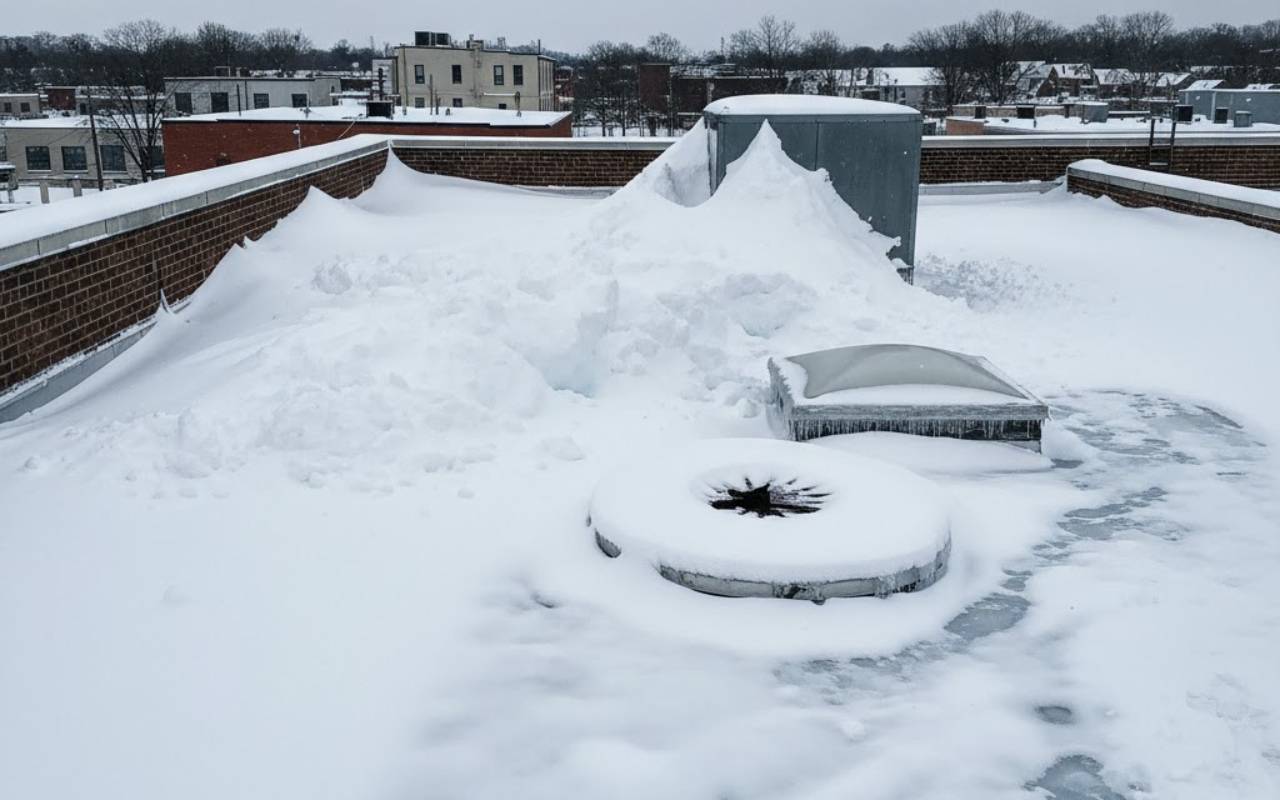
Winter storms in Port Chester can drop heavy snow on flat roofs in a short time. As snow depth grows, the roof deck and beams must handle extra weight. Eventually, this added stress may cause sagging, cracks, or even serious structural problems if it is ignored for too long.
In addition, local building codes and engineering rules set minimum snow load levels for safety. Following these rules helps you choose the right structure, materials, and support spacing. When you understand how Flat Roof Snow Load in Port Chester affects your building, you can plan safe removal and smart upgrades before damage appears.
Review design plans or as-built drawings with a roofing expert.
Confirm that your roof meets current local snow load rules.
Schedule regular structural checks after severe storms.
Impact of Freeze–Thaw Cycles on Flat Roof Integrity
Freeze–thaw cycles start when daytime warmth melts snow and ice on the roof. Then, melted water seeps into tiny surface cracks and seams. When temperatures drop again at night, that trapped water freezes and expands. Over time, this repeated movement slowly widens cracks and weakens the roof surface.
Furthermore, ponding in winter increases this risk. Water that sits in low areas freezes into thick ice patches. These patches may shift roof equipment, stretch the membrane, or pull at seams. Early repair of worn spots, lifted seams, and failed sealant keeps your roof watertight and reduces emergency leaks after storms.
Ensuring Proper Drainage Systems for Flat Roofs
Flat roofs depend on efficient drainage systems to move water away quickly. When melting snow and rain cannot reach the roof drains, water collects in shallow areas. This ponding in winter adds weight, speeds up wear, and pushes moisture into seams and joints.
Therefore, well-planned drainage uses several parts working together. Gutters, scuppers, and internal roof drains should form clear paths for water to exit. Regular checks for leaves, dirt, bird nests, or ice dams keep these paths open and reduce surprise leaks.
Inspect all gutters and scuppers at the start of each season.
Remove debris and check for rust, cracks, or loose sections.
Install guards where trees or birds frequently cause clogs.
Roof Drains: Types and Benefits
Roof drains play a central role in safe flat roof drainage. Internal drains sit nearly level with the roof surface. They pull water into pipes hidden inside the building, then move it to ground level away from the foundation. This design helps limit ice buildup along roof edges and sidewalks.
Meanwhile, scupper drains are another common choice for flat roofs. Scuppers are openings through parapet walls that let water flow from the roof into downspouts or splash blocks. While they use less piping than internal drains, they face outdoor air and may ice up faster in cold weather.
Internal drains: discreet appearance and strong freeze protection.
Scupper drains: simpler layout and easier visual checks.
Hybrid systems: combine both options for larger roofs.
Tapered Insulation: Improving Roof Drainage Efficiency
Tapered insulation helps create gentle slopes on otherwise level decks without rebuilding the structure. These insulation boards are cut at angles so the roof surface guides water naturally toward drains and scuppers. As a result, you see fewer standing puddles and less stress on your roof membrane.
Additionally, tapered insulation not only improves drainage. It also boosts energy performance by giving more even insulation thickness across the roof. When planned correctly, it reduces ponding in winter and lowers heating and cooling costs over the long term.
Use tapered boards to fix chronic low spots.
Design slopes that lead directly to each roof drain.
Coordinate the insulation layout with all rooftop equipment.
Proactive Care and Maintenance for Flat Roofs
Proactive maintenance is far more affordable than emergency repairs. Create a routine inspection schedule before and after winter. During each visit, check for blistering, punctures, or areas where the membrane is starting to lift. Repairing small issues early keeps water from spreading into the deck and insulation below.
Moreover, keep roof drains open by clearing leaves, twigs, and grit from drain bowls and strainers. After heavy storms, safe snow removal reduces the Flat Roof Snow Load in Port Chester on aging structures. If you manage large buildings or busy sites, consider hiring a professional team to handle these tasks.
Log all inspections and repairs with dates and photos.
Check flashings, parapet caps, and penetration seals.
Plan follow-up visits after major snow or wind events.
Membrane Care: Extending the Life of Your Flat Roof
Good membrane care greatly extends the life of a flat roof. Every few years, a suitable coating or primer can refresh the waterproof surface. Many modern elastomeric coatings resist sun damage, stay flexible in cold weather, and help the membrane move without cracking during temperature swings.
After strong storms, walk the roof to look for blisters, tears, and loose seams. Prompt repairs using manufacturer-approved materials restore the waterproof layer and protect the insulation below. In addition, clean surfaces reflect more sunlight and help lower indoor temperatures during warm seasons.
Best Practices for Handling Melting Snow and Rain on Flat Roofs
Snow and rain management should follow a clear and safe plan. Before winter begins, arrange a pre-season inspection and review safe access routes. During the season, schedule quick roof checks after each major snowfall. Focus on clearing snow and ice from areas around roof drains and scuppers first.
Use roof rakes with plastic blades or other non-metal tools to protect the membrane. Furthermore, during thaw periods, monitor low areas where water tends to collect. If you notice repeated ponding in winter, talk with a roofer about adding tapered insulation or adjusting slopes to improve drainage.
Protecting Your Investment: Tips for Flat Roof Snow Load Management
Managing winter stress on your roof protects both your building and your budget. Engage a qualified roofing professional to assess load capacity and identify weak areas. They can compare current conditions with local code rules and suggest reinforcements, upgraded roof drains, or smarter snow removal methods.
It also helps to prepare safe access equipment ahead of winter. Ladders, harnesses, and snow tools should be ready before the first storm. Each inspection should confirm that the structure still handles Flat Roof Snow Load in Port Chester without visible distress. Keep detailed records to support any future insurance claims.
Set written snow removal triggers based on depth or forecast.
Train staff on safe rooftop procedures and fall protection.
Review your plan each spring and update it as needed.
Frequently Asked Questions
How often should I inspect my flat roof in winter?
It is wise to inspect your flat roof at least once before winter and once afterward. Additionally, schedule quick checks after major snow or rain events. Frequent looks help you catch small issues, like clogged roof drains or minor membrane cracks, before they turn into leaks.
What signs show that the snow load is stressing my roof?
Warning signs include new ceiling cracks, doors that stick, or unusual roof sagging. You may also notice interior leaks or popping sounds during heavy snow. If you see these issues, contact a roofing professional immediately. They can measure movement, review structure, and recommend safe next steps.
Why is ponding in winter such a big concern?
Ponding means water sits on the roof for long periods instead of draining away. In winter, this water can freeze into heavy ice, increasing the weight on the structure. Standing water also shortens membrane life and may void some warranties. Fixing slopes and clearing drains reduces this risk.
Is tapered insulation worth the cost for a small building?
Yes, tapered insulation can be valuable even on smaller roofs. It improves drainage, reduces ponding, and boosts energy efficiency at the same time. While it adds upfront cost, it often lowers long-term expenses by limiting leaks, structural damage, and energy waste.
When should I call a professional roofer instead of handling issues myself?
You should call a professional roofer whenever you see structural concerns, repeated leaks, or widespread membrane damage. In addition, snow removal on tall or steep sections is safer for trained crews. For businesses near Port Chester and White Plains, you can review expert work, such as commercial roofing replacement in White Plains, NY to understand available solutions.
Safeguarding Your Flat Roof in Port Chester
Maintaining a flat roof in Port Chester means watching snow loads, freeze–thaw cycles, and drainage performance all year. Efficient roof drains, smart tapered insulation layouts, and careful membrane care work together to prevent ponding in winter and slow long-term wear on the roof system.
With the right design, maintenance plan, and expert support, Flat Roof Snow Load in Port Chester becomes manageable instead of alarming. When you need tailored guidance, you can contact RJM Best Roofing in Port Chester to discuss inspections, upgrades, or replacement options that match your building and local weather challenges.
