



After Heavy Rain or Snow: How to Find & Stop Roof Leaks in New Rochelle
A Roof Leak After Heavy Rain or Snow in New Rochelle can quickly turn calm evenings into stressful moments. You might suddenly notice new marks on your ceiling after a storm.
Those spreading ceiling water stains bring real worry. You may not know how serious the damage is or what to do next. However, with clear steps and the right help, you can find the leak, stop it, and protect your New Rochelle home.
Signs of a Roof Leak After Heavy Rain or Snow in New Rochelle
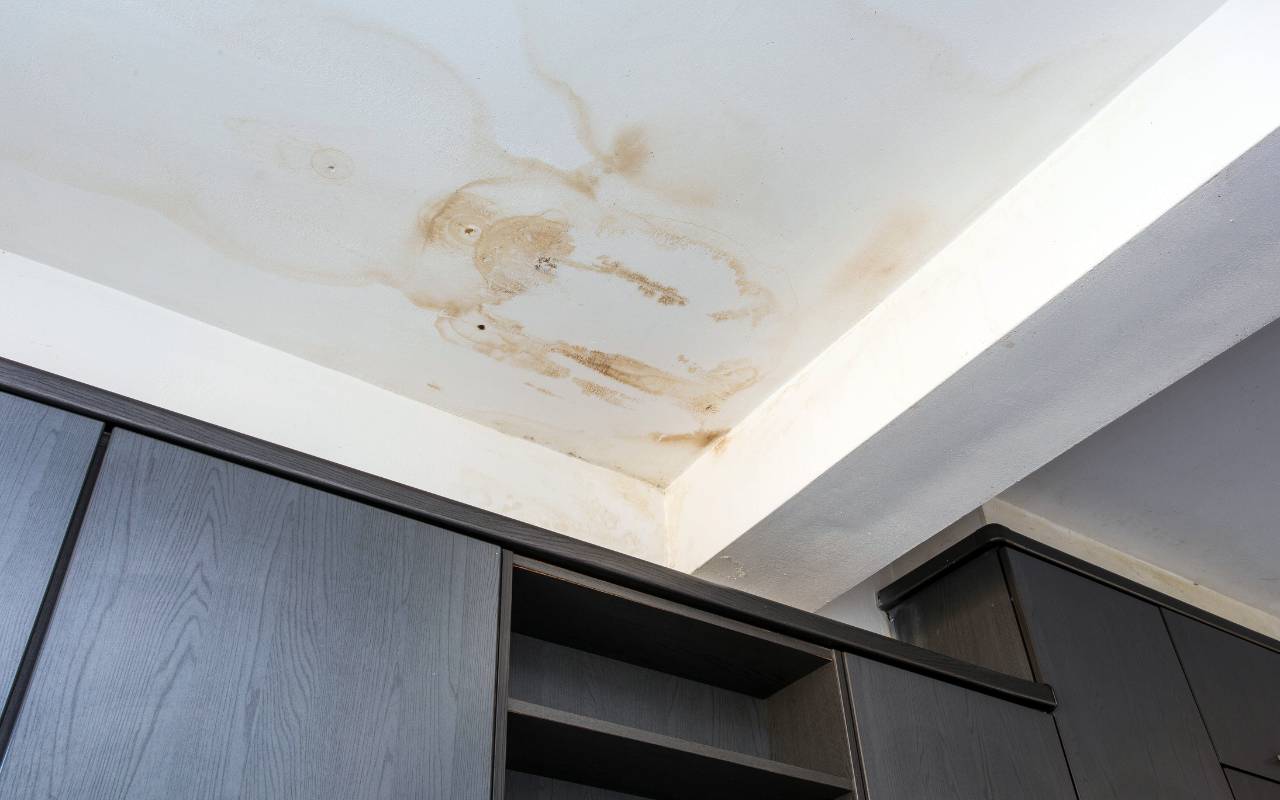
First, look up at your ceilings. Yellow or brown patches often appear where water has seeped through the surface. Paint may bubble or peel as moisture builds up behind it.
Ceiling water stains that look like rings or large spots
Drips or small puddles forming on floors after storms
A musty smell in the attic or along interior walls
Soft areas on attic floors from wet insulation or wood
Next, check outdoors after heavy rain or snow. Missing, cracked, or loose shingles create easy entry points for water. Damaged flashing around chimneys, vents, or skylights can also allow leaks. By combining indoor and outdoor checks, you catch problems early and reduce the risk of mold and structural damage.
Importance of Prompt Detection and Action
When a Roof Leak After Heavy Rain or Snow in New Rochelle goes unnoticed, small problems grow fast. Even a tiny opening lets water soak beams, insulation, and drywall. Over time, this weakens your home’s structure.
Quick action also matters for insurance claim steps. Most insurers expect fast reporting of new damage. When you act promptly, they can review your claim sooner and may approve help faster. Early leak tracing and repairs also limit extra issues like mold, which policies might not fully cover if they see delays.
Utilizing Infrared Inspection to Identify the Leak Source
Infrared inspection is a smart way to find hidden moisture you cannot see. It measures temperature changes on your roof and attic surfaces. Cooler spots often show where water sits under materials.
Infrared inspection helps you find where a Roof Leak After Heavy Rain or Snow in New Rochelle actually starts. Because this method is non-invasive, professionals avoid tearing off shingles or cutting ceilings just to search. Therefore, accurate leak tracing saves time, protects your roof surface, and focuses repairs where they are truly needed.
Emergency Tarping: Temporary Solutions to Prevent Further Damage
Emergency tarping is a temporary but powerful way to protect your home when a leak appears. A heavy-duty tarp blocks more water from entering until permanent repairs are done. It buys you valuable time during stormy weather.
First, carefully remove loose debris around the damaged area. Then lay the tarp so it covers several feet beyond the suspected leak. Secure it with roofing nails or weights so wind cannot lift it. While emergency tarping is not a final fix, it reduces interior damage and supports your future insurance claim steps.
Assessing the Extent of Water Damage Inside Your Home
Once the roof is covered, start checking inside. This helps you decide which repairs are urgent and what can wait. Look closely around the main leak area.
Inspect ceilings and walls for stains, sagging, or peeling paint
Check insulation for damp spots and remove soaked material
Look for warped flooring or swollen baseboards.
Note any musty smells, which may mean early mold growth
Additionally, be careful around electrical fixtures near wet areas. Water and wiring are a dangerous mix, so involve a licensed electrician if anything seems unsafe. Take clear photos and notes of all damage. This record supports your insurance claim steps and helps contractors plan precise repairs.
Repairing Roof Leaks: DIY Fixes vs. Professional Help
Some small leaks respond to simple do-it-yourself repairs. For example, you might replace a single missing shingle or apply roofing sealant around a minor crack. These tasks still require caution, a safe ladder, and basic tools.
However, large leaks or structural damage call for expert care. Local specialists who provide roofing repair services in New Rochelle can inspect the entire system. They evaluate flashing, underlayment, and framing to find root causes. Professional repairs usually last longer and reduce the chance of repeated leaks.
Understanding Insurance Claim Process for Roof Leaks
Navigating the insurance claim steps may feel confusing at first. Start by contacting your insurer as soon as you notice damage. Ask what information they need and how to submit it.
When you report a Roof Leak After Heavy Rain or Snow in New Rochelle, your insurer expects clear details. Provide dates, storm information, and photos of ceiling water stains, roof damage, and emergency tarping. During the adjuster’s visit, share repair estimates and ask what is covered. If the payout seems low, you can request a review, offer more evidence, or seek another opinion.
Preventive Measures for Future Roof Leak Prevention
Preventive care is one of the best ways to avoid future leaks. Simple habits, done regularly, keep water moving away from your home. They also help your roof stand up to New Rochelle weather.
Clean gutters and downspouts so water flows freely
Trim overhanging branches that might damage shingles
Check flashing around chimneys, vents, and skylights
Look for loose, curling, or missing shingles after storms
Additionally, consider applying a quality roof sealant when recommended by a professional. After major storms, a quick visual check can catch small issues early. Immediate attention to minor problems reduces the risk of major water intrusion later.
Importance of Regular Roof Maintenance
Regular roof maintenance adds years to your roof’s life and keeps your home more comfortable. Scheduling a yearly inspection, especially after tough winters or strong summer storms, helps find problems early.
During a maintenance visit, a roofer clears debris, checks seals, and confirms shingles lie flat. Consistent care shows your insurer that you act responsibly to prevent damage. When issues arise, you already have a history of upkeep to support your insurance claim steps.
Frequently Asked Questions
How quickly should I act when I see ceiling water stains?
Act as soon as you notice any ceiling water stains. First, contain the water, then check the attic and roof, and finally schedule an inspection.
Can I use infrared inspection on my own?
Some homeowners rent basic cameras, but results can be tricky to read. A trained professional usually gets more accurate leak tracing and safer guidance.
Is emergency tarping safe to do without a professional?
It can be risky if the roof is steep, icy, or very high. When conditions are unsafe, call professionals who offer emergency tarping services instead.
What should I document for my insurance claim steps?
Take dated photos of indoor damage, roof problems, and any temporary repairs. Keep receipts from contractors and write down storm dates and times.
When should I choose professional roofing repair instead of DIY?
Choose a pro when leaks are large, recurring, or near important structural areas. Also, call experts if you feel unsure working on a roof.
Safeguarding Your Home Against Weather Challenges
By responding quickly to a Roof Leak After Heavy Rain or Snow in New Rochelle, you protect both your home and your budget. Careful inspections, leak tracing, infrared inspection, and emergency tarping all work together to limit damage.
For ongoing peace of mind, combine regular maintenance with help from trusted local experts. When you spot early warning signs or need advice, simply contact RJM Best Roofing to schedule an inspection and keep your roof ready for the next storm.
