



How to Handle a Roof Leak After Snow Melt in White Plains
Get ready for the challenges that come with thawing snow in White Plains. While winter looks beautiful, the melt can trigger a roof leak after snow melt in White Plains. Often, the cause is ice dam aftermath that forces water under shingles. As a result, small gaps can turn into hidden damage.
In addition, underlayment failure can weaken your roof’s moisture barrier. Even a worn drip edge can suddenly matter a lot. To stay ahead, interior moisture mapping helps you spot where water may have traveled, so you can act early and keep your home dry. RJM Best Roofing Inc can help homeowners plan smarter prevention.
Why Regular Roof Checks Matter After Winter
Regular checks help you catch small issues before they grow. After heavy snow or a fast thaw, look for loose shingles, hairline cracks, or faint water stains. That way, a roof leak after snow melt in White Plains is less likely to surprise you later.
Also, inspections let you watch for drip edge wear and early underlayment failure. Since ice dam aftermath adds stress at the eaves, quick seasonal checks can reduce repair costs and limit interior damage.
Check shingles for lifting or missing tabs
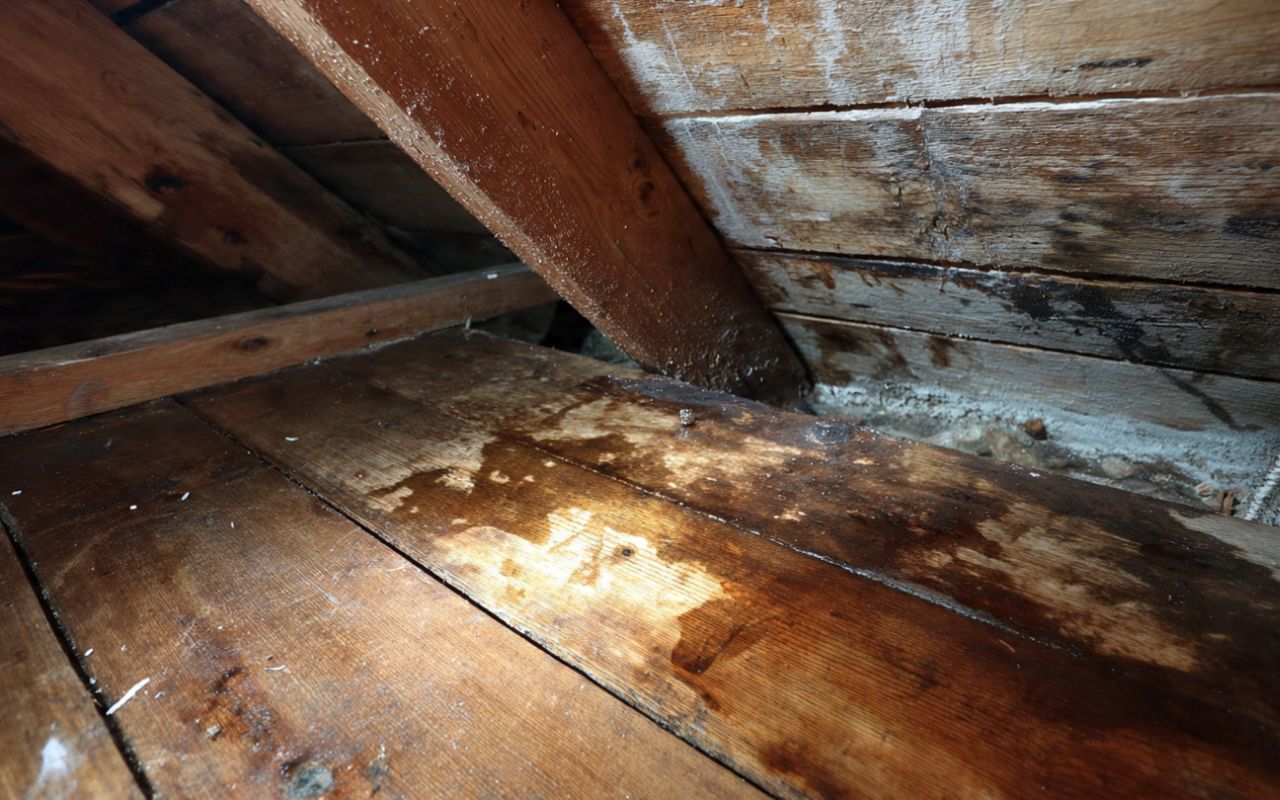
Look for stains in attic corners and along rafters
Confirm gutters and downspouts are clear
Inspect flashing at vents, chimneys, and valleys
How to Spot and Fix Drip Edge Problems
The drip edge moves meltwater away from the roof edge and fascia. However, if it bends, rusts, or goes missing, water can slip behind the boards and soak the deck. Over time, this can lead to rot and a roof leak after snow melt in White Plains.
Once you find damage, repairs are often straightforward. For example, a new drip edge is installed under the shingles and secured with roofing nails. This simple fix can improve drainage and lower the odds of ice dam aftermath causing water intrusion.
What to Do When Ice Dams Show Up
Ice dams form when warmer roof areas melt snow, yet colder eaves refreeze the runoff. Then a ridge of ice blocks drainage and pushes water under shingles. Because of that, ice dam aftermath is a common trigger for leaks inside walls and ceilings.
Start by removing excess snow with a roof rake. Never chip ice directly, since that can tear shingles and worsen leaks. If dams keep returning, your attic heat and airflow likely need attention.
Use a roof rake from the ground when possible
Remove snow in small layers to avoid shingle damage
Watch for new ceiling stains after the next thaw
Call a pro if ice builds up repeatedly
Common Reasons Underlayment Stops Working
Underlayment sits between roofing materials and the deck, acting as a moisture barrier. However, repeated wetting from meltwater can weaken it. If underlayment failure starts, water can reach the deck and cause rot, mold, or a roof leak after snow melt in White Plains.
Typical causes include poor installation, long exposure to trapped water, and weak attic ventilation. Therefore, if you see blistering, tearing, or soft spots, it may be time to replace damaged sections to restore protection.
How Interior Moisture Mapping Finds Hidden Water Paths
Interior moisture mapping uses tools like moisture meters and infrared cameras to detect damp areas behind ceilings and walls. Since water can travel far before showing up, mapping helps reveal the real entry point.
By following moisture patterns, you can trace leaks back to a failing drip edge or underlayment failure. As a result, you can fix the source faster and reduce the risk of mold after ice dam aftermath.
How to Repair the Roof Once a Leak Is Found
Once you confirm the source, quick repairs limit further damage. Small gaps near flashing, vents, or shingles may be sealed or patched. Even so, the repair needs to match the roof system so it lasts through the next thaw.
For larger issues, damaged shingles may need replacement, and rotted wood may need removal. In addition, proper underlayment installation under new materials is critical, especially after a roof leak after snow melt in White Plains.
Replace cracked or missing shingles
Re-seat or repair loose flashing
Remove and replace rotted decking if needed
Reinstall underlayment correctly before reshingle
Why Attic Ventilation Helps Prevent Repeat Leaks
Good attic ventilation balances heat and moisture under the roof deck. When warm indoor air reaches a cold attic, it can melt roof snow and feed ice dams. Therefore, airflow reduces the temperature swings that create ice dam aftermath.
Adding ridge vents, soffit vents, or attic fans can reduce moisture buildup and slow underlayment failure. If you want guidance specific to your home, RJM Best Roofing Inc can evaluate ventilation patterns and recommend improvements.
Long-Term Ways to Prevent Future Snow Melt Damage
Long-term protection helps your roof handle freeze-and-thaw cycles. Ice and water shields along eaves and valleys add a sealed layer that blocks water from backing up under shingles. Also, clean drainage paths help meltwater exit fast.
When gutters clog, water can back up under the drip edge and raise the chance of a roof leak after snow melt in White Plains. For ongoing prevention plans, RJM Best Roofing Inc can suggest roof system upgrades that match local winter conditions.
Install ice and water shield at eaves and valleys
Improve insulation to reduce heat loss into the attic
Keep gutters and downspouts clear before winter storms
Schedule a post-winter roof check after major thaws
Frequently Asked Questions
What is the fastest way to respond to a leak after a thaw?
First, contain interior water with buckets and towels. Then document stains and call a roofer to find the entry point before more meltwater arrives.
How can I tell if I have ice dam aftermath damage?
Look for new ceiling stains near exterior walls, peeling paint, or dripping at the eaves. Also check your attic for damp insulation or dark wood marks.
Does a damaged drip edge really cause leaks?
Yes. A bent or missing drip edge can let water slip behind fascia and into the deck. Over time, that moisture can lead to rot and interior staining.
What are signs of underlayment failure?
Common signs include recurring leaks during melts, soft roof decking, and moisture that returns even after shingles are replaced. A roofer can confirm with targeted inspection.
How does interior moisture mapping help?
It shows where water has traveled inside your home, even when the entry point is hidden. This makes repairs more accurate and reduces repeated damage.
When It’s Time to Call a Professional
Some roofs need trained eyes and safety gear, especially when surfaces are icy. If you are unsure, a licensed roofer can spot subtle damage and confirm the best fix. That support can prevent repeat leaks and protect your home’s structure.
If you need an expert inspection or repair support, contact RJM Best Roofing Inc through the RJM Best Roofing Inc contact page for a local assessment and next-step guidance.
