



Safe Ice Dam Removal in White Plains: What Works and What to Avoid
Safe Ice Dam Removal in White Plains is essential when winter snow piles along your roof edges. Ice dams threaten your roof and your peace of mind. When icicles grow into heavy ridges, they can trap water and push it under shingles. However, with the right mix of prevention and safe removal, you can avoid leaks and damage.
Many homeowners feel helpless as ice builds, yet ice dam removal should never be rushed or rough. Done poorly, it causes roof edge leaks and costly repairs. Instead, methods like steam ice dam removal clear ice gently. In addition, good soffit ventilation and smart use of heat cables help stop new dams from forming.
Why Safe Ice Dam Removal in White Plains Matters for Your Roof
Ice dams form when warm attic air melts snow high on the roof, and the water refreezes near the colder eaves. Over time, this ice barrier traps more water. That trapped water then slips beneath shingles and underlayment, leading to hidden roof edge leaks that slowly damage wood, insulation, and ceilings.
When water reaches your living spaces, you may notice stains, peeling paint, or even mold. Wet insulation loses its power to hold warmth, so energy bills climb while comfort drops. Therefore, tackling ice dams early protects your roof structure, your interior finishes, and the health of everyone inside the home.
Common Causes of Ice Dams in White Plains
When winter brings heavy snow and shifting temperatures to White Plains, conditions for ice dams appear quickly. Uneven roof temperatures often start the trouble. Poor attic insulation or air gaps allow heat to escape, melting snow near the peak. As this water runs down to colder edges, it refreezes and begins building thick ice ridges.
Adding inadequate soffit ventilation keeps warm air trapped in the attic instead of letting it escape evenly.
Complex roof shapes, such as valleys or dormers, collect more snow and slow melting.
Shallow roof slopes allow snow to sit longer, which increases meltwater and refreezing.
Clogged gutters and downspouts stop meltwater from draining, so it freezes along the roof edge.
How Soffit Ventilation Helps Stop Ice Dams
Soffit ventilation brings cold outside air into the attic through vents under the roof overhang. This steady airflow cools the roof deck from below. As a result, roof temperatures stay more even from peak to eave. When the surface stays consistent, snow melts more slowly and is less likely to refreeze into ice dams.
Effective soffit ventilation usually works with ridge vents or roof vents to create a complete air path. Cool air enters at the soffits and exits at the ridge, carrying excess heat and moisture outside. Paired with the right insulation levels, this system reduces the freeze–thaw cycles that force homeowners to seek emergency ice dam removal.
Heat Cables for Ice Dam Prevention: Pros and Cons
Heat cables run in zigzag lines along the roof edge or inside gutters. When powered, they warm small paths through snow and ice. This warmth allows meltwater to drain instead of refreezing at the eaves. Therefore, heat cables can provide short-term relief in problem areas that are hard to fix quickly with other upgrades.
However, heat cables are not a complete solution. They raise energy use, need careful installation, and can overheat shingles if misused. In some cases, they even worsen roof edge leaks by melting channels that guide water beneath damaged roofing. It is wiser to combine heat cables with insulation, soffit ventilation, and quality ice & water shield.
Steam Ice Dam Removal: The Safest Approach
Steam ice dam removal uses low-pressure steam to loosen and melt ice without scraping the roof surface. Trained crews aim the steam at the base of the ice dam, cutting it into sections that slide harmlessly away. Because the process is gentle, shingles, gutters, and flashing stay intact while the ice disappears.
Steam is often the safest way to handle Safe Ice Dam Removal in White Plains without harming shingles or siding. Unlike chisels, hammers, or harsh chemicals, steam allows controlled melting. Additionally, professionals can direct runoff away from walkways and foundations, lowering the chance of sudden leaks or slippery ice patches around your home.
Ice Dam Removal Methods to Avoid
Some do-it-yourself ideas seem fast but can seriously damage your roof. Sharp tools and harsh products break protective layers and shorten roof life. In addition, climbing a snowy, icy roof is extremely risky. Instead of gambling with safety and materials, skip these common approaches and choose safer, proven methods.
Chipping ice with metal shovels, axes, or ice picks, which cracks shingles and tears the underlayment.
Using rock salt or chemical deicers on the roof can corrode metal, stain siding, and kill plants below.
Spraying hot water on the roof, which melts ice quickly but then refreezes into even thicker, harder ridges.
When to Call Professionals for Ice Dam Removal
Large or recurring ice dams usually signal deeper issues that deserve expert attention. When ice covers long stretches of the eaves or forms high above walkways, professional help is the safest choice. A local expert in Safe Ice Dam Removal in White Plains brings the right steam equipment, training, and safety gear.
During a visit, many contractors also inspect attic insulation, soffit ventilation, and existing ice & water shield. If they uncover serious wear or ponding, they may suggest commercial roofing replacement in White Plains. For timely support, you can contact our roofing team in White Plains and schedule an evaluation.
Warning Signs of Ice Dam Damage
If you notice new water stains on ceilings or upper walls after snow melts, ice dams may be to blame. Dark streaks, bubbling paint, or sagging drywall all hint at moisture trapped behind surfaces. Because water often travels, the leak’s visible spot might sit far from the actual roof entry point.
Outside, look for bulging or twisted gutters, which can signal heavy ice pressure. Inside the attic, check for wet or frosted insulation, damp wood, or a musty smell. Early action when you see these clues can prevent small problems from growing into major structural repairs or full roof replacement.
Maintenance Tips to Prevent Future Ice Dams
Preventing ice dams is usually easier and cheaper than repairing damage later. Start by improving your attic insulation so less heat reaches the roof deck. Then, seal gaps around light fixtures, attic hatches, and plumbing vents. These small air leaks send warm, moist air upward, which quickly melts snow in the wrong places.
Add or clear soffit ventilation and ridge vents to keep roof temperatures even all winter.
Install ice & water shield along vulnerable roof edges and valleys for extra leak protection.
Clean gutters and downspouts in the fall so meltwater can drain freely away from the roof.
Use heat cables only as a backup tool in stubborn areas, and follow manufacturer directions carefully.
Schedule regular inspections or roofing replacement services in White Plains when materials near the eaves show age.
Frequently Asked Questions
How do I know I need professional ice dam removal?
When ice dams grow taller than a few inches, stretch across long roof sections, or cause indoor leaks, it is time to call an expert. At that point, Safe Ice Dam Removal in White Plains requires specialized tools, safe roof access, and experience that most homeowners simply do not have.
Can I remove ice dams safely without steam?
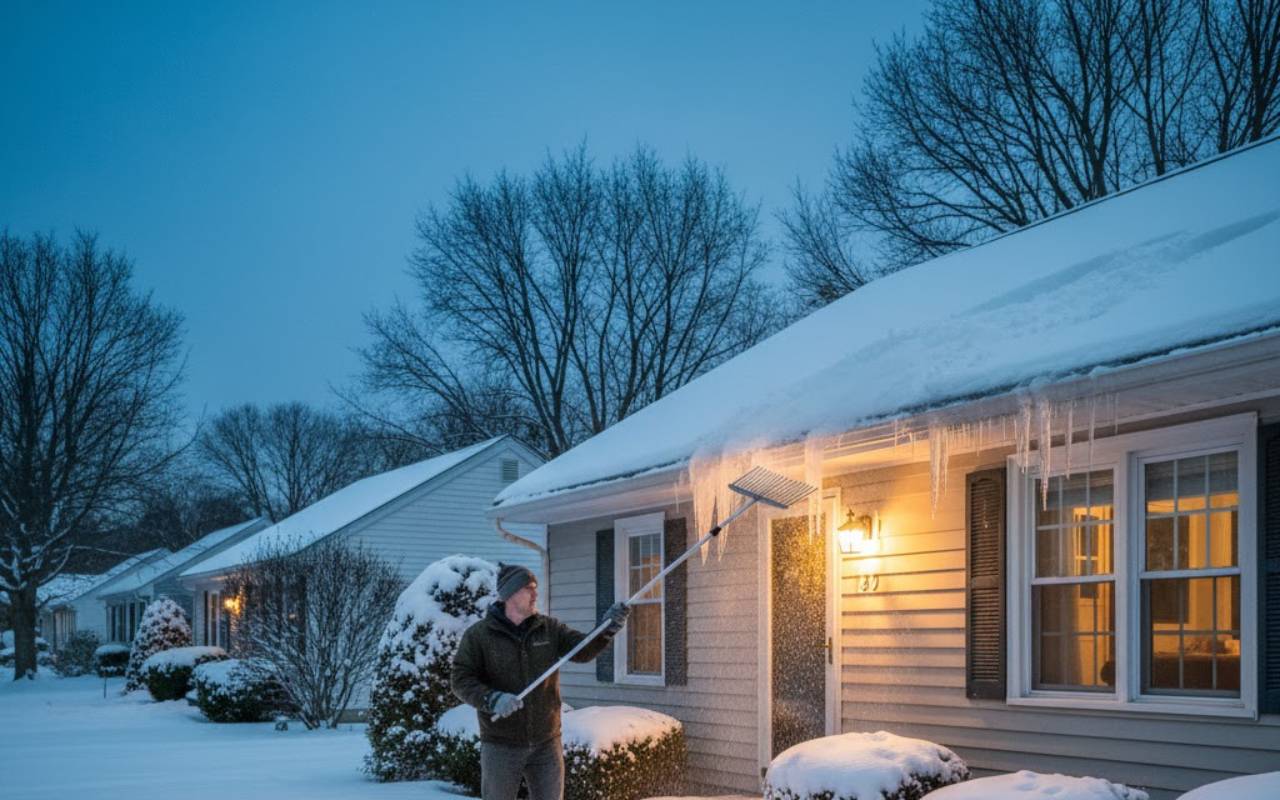
Small ice ridges near the gutters may respond to gentle methods from the ground, including roof rakes for snow. However, any work that involves climbing onto the roof, chipping ice, or handling electrical gear is risky. It should go to trained crews, who can choose the safest removal approach for your home.
Will steam ice dam removal damage my shingles?
When performed correctly, steam ice dam removal is gentle on shingles, gutters, and flashing. The equipment uses low pressure and controlled heat, so it softens ice without scraping the granules from asphalt shingles. Therefore, many roofing professionals prefer steam over mechanical tools that strike or pry at the roof surface.
Are heat cables a permanent fix for ice dams?
No, heat cables are best viewed as a support tool, not a permanent cure. They may reduce icing in specific trouble spots, yet they do not solve poor insulation or weak soffit ventilation. For lasting results, focus first on air sealing, insulation, and proper vent design throughout the attic.
What can I do in the fall to prevent winter ice dams?
Each fall, clean leaves from gutters, confirm downspouts are clear, and check that attic vents stay open. Then, look inside the attic for thin insulation, dark stains, or frosty nails, which may reveal air leaks. Addressing these issues before snow arrives greatly lowers your chance of midwinter ice dam problems.
Ensuring a Winter Free of Ice Dam Worries
Keeping your roof safe from ice dams requires a mix of smart prevention, careful monitoring, and safe removal choices. With good soffit ventilation, solid insulation, and clean gutters, many issues never start. When they do, Safe Ice Dam Removal in White Plains with steam and professional guidance helps you avoid roof edge leaks and costly repairs.
