



What Kind of Ventilation is Used for Flat Roofs
What Kind of Ventilation is used for Flat Roofs? | Home Energy
If you're wondering what kind of ventilation is used for flat roofs systems, you're not alone. This type of roofing needs proper airflow to avoid moisture buildup, extend its lifespan, and improve your home's energy efficiency. At RJM Best Roofing Inc., we help homeowners in a 40-mile radius around Port Chester, NY, with innovative ventilation systems that protect their investment year-round.
Understanding Flat Roof Ventilation
Why Flat Roofs Require Special Ventilation
Unlike sloped roofs, flat roofs don't allow hot air to escape easily. That makes it even more important to design a ventilation system that reduces trapped heat and moisture. Without it, your home can become less energy-efficient and more prone to mold.
Common Ventilation Systems for Flat Roofs
Box vents (static vents): These are simple and don't need electricity. They sit on the roof to let warm air escape naturally.
Soffit vents: Usually placed underneath the roof edge. They allow fresh air to flow into the attic or roof cavity.
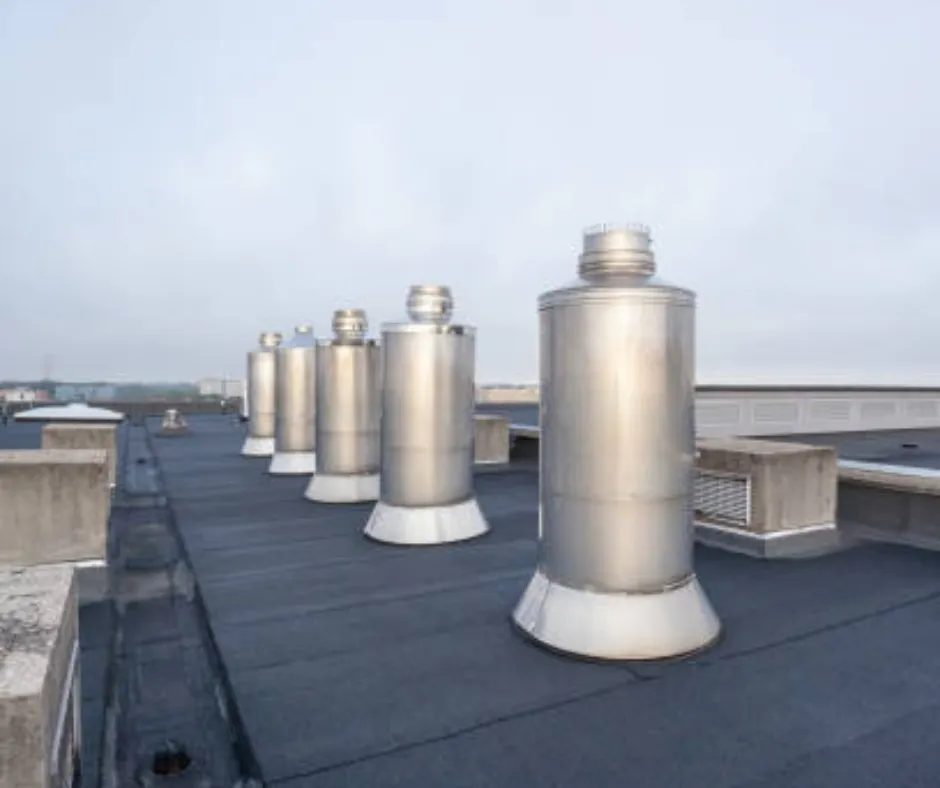
Mechanical vents: These powered systems actively pull air out of the building. They're ideal if natural airflow is weak.
Turbine vents: These use wind power to spin and draw air out. They're more effective in open, breezy areas.
The right solution depends on your roof size, climate, and home layout.
RJM’s Approach to Flat Roof Ventilation
At RJM Best Roofing Inc., we evaluate every home before suggesting a ventilation system. We consider how the ventilation will impact energy bills, roof lifespan, and comfort—especially in the varied climates of New York.
How Roof Ventilation Affects Home Energy
Temperature Control
Without airflow, heat builds up under the roof. That heat spreads downward, forcing your air conditioner to work harder. A well-vented flat roof helps maintain a cooler home in summer and prevents heat loss in winter.
Lower Energy Bills
The less your HVAC system works, the less you pay for energy. Ventilation is a passive way to cut down on long-term utility costs. For homeowners in the Northeast, it can mean real savings year-round.
Better Insulation Performance
Moisture buildup from poor ventilation can ruin insulation. Wet insulation doesn't work well—and you'll feel it. With proper ventilation, your insulation stays dry and effective, helping your home stay comfortable.
Choosing the Right Ventilation for Your Roof
New Roof vs Retrofit
If you're replacing your flat roof, it's the perfect time to install or improve ventilation. But even with an existing roof, we can often add vents without full replacement.
Material Compatibility
Some materials work better with specific vents. For example, modified bitumen roofs pair well with low-profile static vents, while EPDM may need custom solutions.
Custom Designs for Your Property
No two homes are the same. We'll help you select a system that works with your roof structure, attic layout, and energy goals.
FAQs – Flat Roof Ventilation
Can a flat roof be ventilated?
Yes. Flat roofs can use soffit, box, turbine, or mechanical vents depending on the roof design and airflow needs.
Does roof ventilation really lower energy bills?
Absolutely. Proper airflow reduces indoor heat buildup and supports efficient HVAC use.
What happens if a flat roof isn't ventilated?
Flat roofs trap moisture and heat without ventilation, leading to mold, insulation damage, and high energy bills.
Upgrade Your Roof with Smart Ventilation
At RJM Best Roofing Inc., we install more than just flat roofs—we build systems that work better for your home. Our team helps homeowners in a 40-mile radius around Port Chester, NY, cut energy costs, prevent roof issues, and enjoy year-round comfort through smarter ventilation.
