



Winter Attic Condensation in Port Chester: Causes, Easy Fixes & Prevention
Winter Attic Condensation in Port Chester can quietly damage your home during the cold months. As the temperature drops, hidden moisture can harm your roof, insulation, and air quality. This problem often starts with warm air leakage, weak vapor barriers, or bathroom fan venting that sends steam into the attic instead of outside.
Although it may seem like a small winter issue, it can turn into costly damage if you ignore it. Good moisture control protects your attic from mold, mildew, and wood rot. Balanced ridge and soffit ventilation helps keep the attic dry and your home cozy. This guide explains clear steps to spot, fix, and prevent attic condensation all winter long.
Common Causes of Winter Attic Condensation in Port Chester
To understand Winter Attic Condensation in Port Chester, first look at how warm, moist air moves through your home. Indoor air rises and reaches the cold attic roof. When this air touches cold wood or metal, water droplets form and create damp areas on boards and sheathing.
Homes with poor insulation or gaps around ceiling lights and hatches allow warm air leakage into the attic. This air carries water vapor that quickly cools and turns into condensation. Older houses may also lack a proper vapor barrier, so moisture passes through the ceiling with ease.
Gaps around recessed lights, attic hatches, and ceiling fans
Missing or damaged insulation that leaves cold spots
No vapor barrier or a badly installed one
Bathroom fan venting that ends inside the attic
Bathroom fan venting is a frequent hidden cause. When fans blow humid air into the attic instead of outdoors, moisture builds up on cold surfaces. By spotting these common issues early, you can plan focused repairs and strengthen overall moisture control.
Impact of Attic Condensation on Home Structure
Even light attic condensation can slowly harm your home’s structure. Water droplets soak into insulation and lower its R-value. As a result, your furnace works harder, and winter energy bills rise. Over time, repeated wet and dry cycles can warp roof sheathing and weaken framing.
Trapped moisture also invites mold and mildew. These growths can spread, stain surfaces, and lower indoor air quality. Long-term dampness may cause wood rot in rafters and joists. Stains on ceilings or peeling paint inside the home often signal that attic moisture has already started to travel downward.
By understanding how Winter Attic Condensation in Port Chester threatens comfort and safety, you can move fast. Early action helps you avoid larger repairs and keeps your home structure solid for years.
How Warm Air Leakage Triggers Attic Condensation
Warm air leakage is one of the main reasons attics stay damp in winter. Everyday tasks such as cooking, showering, and even breathing add moisture to indoor air. As this heated air rises, it searches for gaps in the ceiling, walls, and attic access points.
When that air slips through these openings and reaches a cold attic, it cools. The moisture then turns into liquid water on rafters, nails, and roof boards. Reducing warm air leakage is a simple but powerful way to limit moisture entering the attic and to support steady moisture control.
Seal around light fixtures and electrical boxes.
Close gaps around plumbing and wiring penetrations
Weatherstrip the attic hatch or pull-down stairs
Role of Vapor Barriers in Moisture Control
A well-installed vapor barrier helps stop water vapor from reaching attic insulation and roof sheathing. This thin layer, often plastic sheeting or foil-faced paper, sits on the warm side of the ceiling. Its job is simple: slow down moisture as it tries to move upward.
For best results, seams in the vapor barrier should be taped, and edges should be sealed around walls and fixtures. When this layer is continuous, it works with insulation to create a tighter envelope. This teamwork keeps humid air inside living spaces and lowers the risk of condensation above.
Why Bathroom Fan Venting Matters
Bathroom fan venting plays a big role in attic moisture levels. Showers and baths create large amounts of steam in a short time. If the fan duct stops in the attic, that wet air has nowhere safe to go and settles on cold surfaces.
Proper bathroom fan venting sends humid air straight outdoors through the roof or sidewall. Smooth, insulated ducts and sealed joints help the fan move air efficiently. Upgrading to quiet, high-capacity fans and running them longer after each shower further reduces indoor humidity.
Connect fans to dedicated ducts that exit outside.
Insulate ducts running through cold spaces.
Check for loose or broken duct joints each season
Risks of Ignoring Attic Condensation
Ignoring attic condensation can have serious long-term effects. Persistent dampness weakens roofing materials and shortens their life. Small stains on the ceiling can quickly grow into large, discolored patches as moisture spreads.
Additionally, constant moisture encourages mold growth, which can trigger allergies and breathing problems. Musty smells often indicate hidden mold colonies. In advanced cases, wood rot may lead to sagging roofs or unsafe framing. Acting early is always easier and less expensive than rebuilding damaged areas.
Effective Solutions for Winter Attic Condensation in Port Chester
To control Winter Attic Condensation in Port Chester, start by sealing obvious air leaks. Use caulk or spray foam around plumbing lines, wiring holes, and light fixtures. After that, bring attic insulation up to recommended levels and replace any insulation that is wet or badly compacted.
Air seal gaps around pipes, vents, and electrical boxes
Add or top up insulation to create an even blanket.
Install or improve the vapor barrier beneath insulation.
Upgrade ridge and soffit vents to improve airflow
Installing or improving ridge and soffit vents increases natural airflow. Cool, dry air enters through soffit vents and leaves through the ridge at the roof peak. This steady movement helps dry damp surfaces and reduces the chance of condensation forming again.
If you notice roof damage or suspect long-term moisture, consider scheduling a check with local experts. You can explore detailed help for leaks and structural issues by visiting the roofing repair services in Port Chester offered by specialized roofing professionals.
Preventive Steps to Avoid Attic Condensation
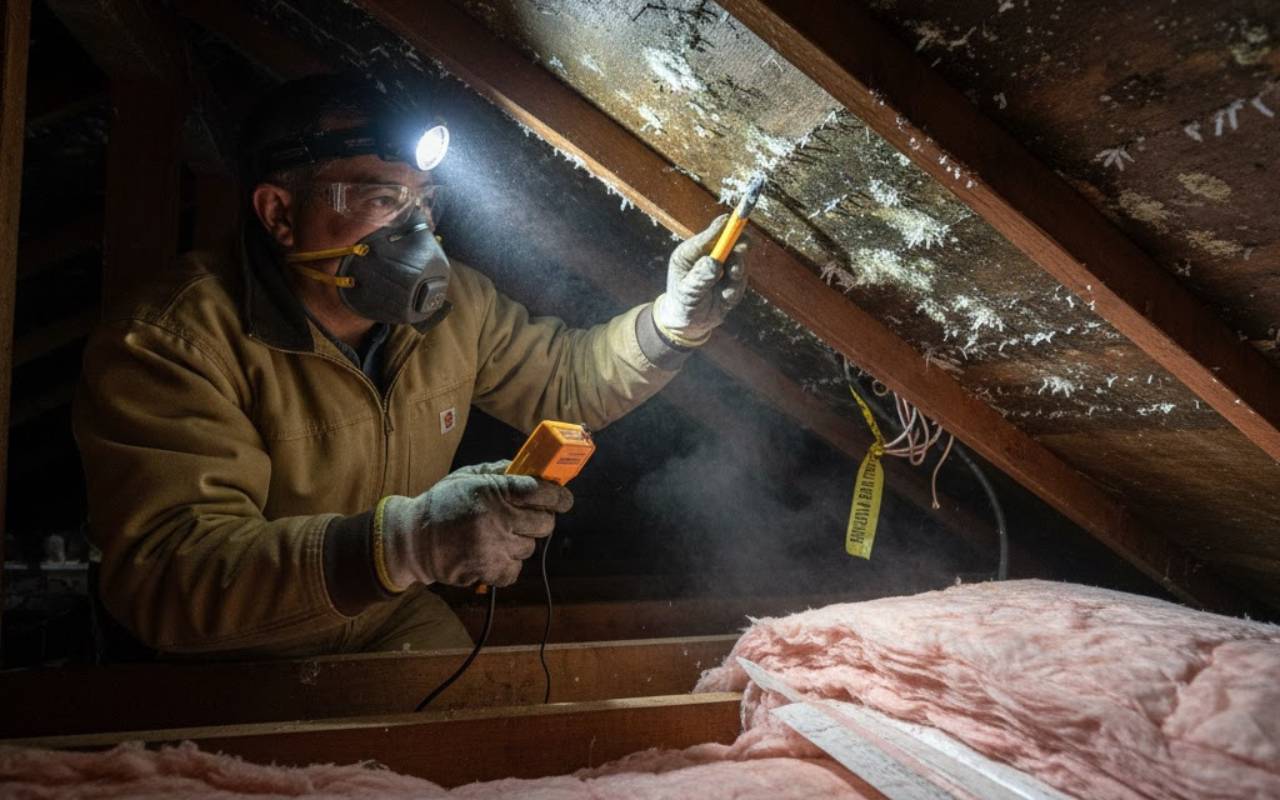
Preventing future condensation is easier than repairing major damage. Regular attic checks, especially before winter, help you spot dark stains, frosty nails, or musty smells early. Clearing clutter and keeping pathways open makes inspections faster and safer.
Inspect the attic each fall and mid-winter
Trim trees or shrubs blocking soffit vents.
Use a digital hygrometer to track attic humidity
Keep indoor humidity near 30–50 percent in winter
When humidity readings stay above 50 percent, review ventilation and fan use. Make sure bathroom and kitchen fans vent outside and run long enough to clear moist air. Simple habits, like using exhaust fans during showers and cooking, can greatly improve overall moisture control.
During your checkups, also look for sagging insulation or vents covered by insulation batts. Correcting these small issues early keeps airflow steady and supports a dry attic environment throughout the season.
Keeping Ridge and Soffit Ventilation in Balance
Good ridge/soffit balance is essential for a healthy attic. Intake vents at the soffits should provide about the same net free area as exhaust vents at the ridge. This balance lets air move evenly through the attic instead of creating dead zones where moisture might settle.
If soffit vents are blocked by paint, debris, or insulation, air cannot enter properly. Baffles along the eaves keep insulation from blocking these vents. At the roof peak, ridge vents or attic turbines help warm, moist air escape, which reduces the load on insulation and framing.
Frequently Asked Questions
How do I know if my attic has a condensation problem?
Look for water stains on wood, damp insulation, rusted nails, or frost on the underside of the roof sheathing. You may also notice musty odors or ceiling stains inside the home. These signs suggest that moisture is building up in the attic and needs attention.
Is attic condensation only a problem during very cold winters?
Condensation is more common in cold weather, but it can happen anytime warm, moist air meets cool attic surfaces. Mild winters with frequent temperature swings can also cause repeated wetting and drying. Therefore, regular inspections are useful every year, not only during extreme cold.
Can I fix attic condensation issues on my own?
You can often seal small air leaks, add basic insulation, and check bathroom fan venting yourself. However, major problems, such as widespread mold, structural damage, or complex ventilation changes, are better handled by trained roofing and insulation specialists for safe and lasting results.
How does bathroom fan venting affect attic moisture?
When bathroom fans vent into the attic, they push steam and humid air onto cold surfaces. This quickly leads to water droplets, mold, and wood damage. Ducting fans directly outdoors with sealed, insulated pipes greatly lowers moisture in the attic and improves overall indoor air quality.
When should I call a professional about attic condensation?
Contact a professional if you see recurring stains, active leaks, strong musty odors, or sagging roof sections. You should also call for help if you suspect long-term wood rot or widespread mold. A thorough inspection can find hidden problems and suggest the best repair plan.
Ensuring a Dry and Cozy Attic in Port Chester
Managing Winter Attic Condensation in Port Chester means sealing leaks, improving insulation, and keeping ventilation balanced. By focusing on warm air leakage, a reliable vapor barrier, and correct bathroom fan venting, you can greatly reduce moisture buildup before it harms your home.
Maintaining steady ridge and soffit airflow, along with regular attic inspections, keeps your space dry and your energy use under control. If you need a detailed roof or attic review, you can contact the RJM Best Roofing team to discuss a tailored inspection and repair plan that suits your home and local climate.
